

Table of Contents
Hodgkin's Lymphoma: Understanding the Causes, Symptoms, Cancer Stages, and Advances in Oncology
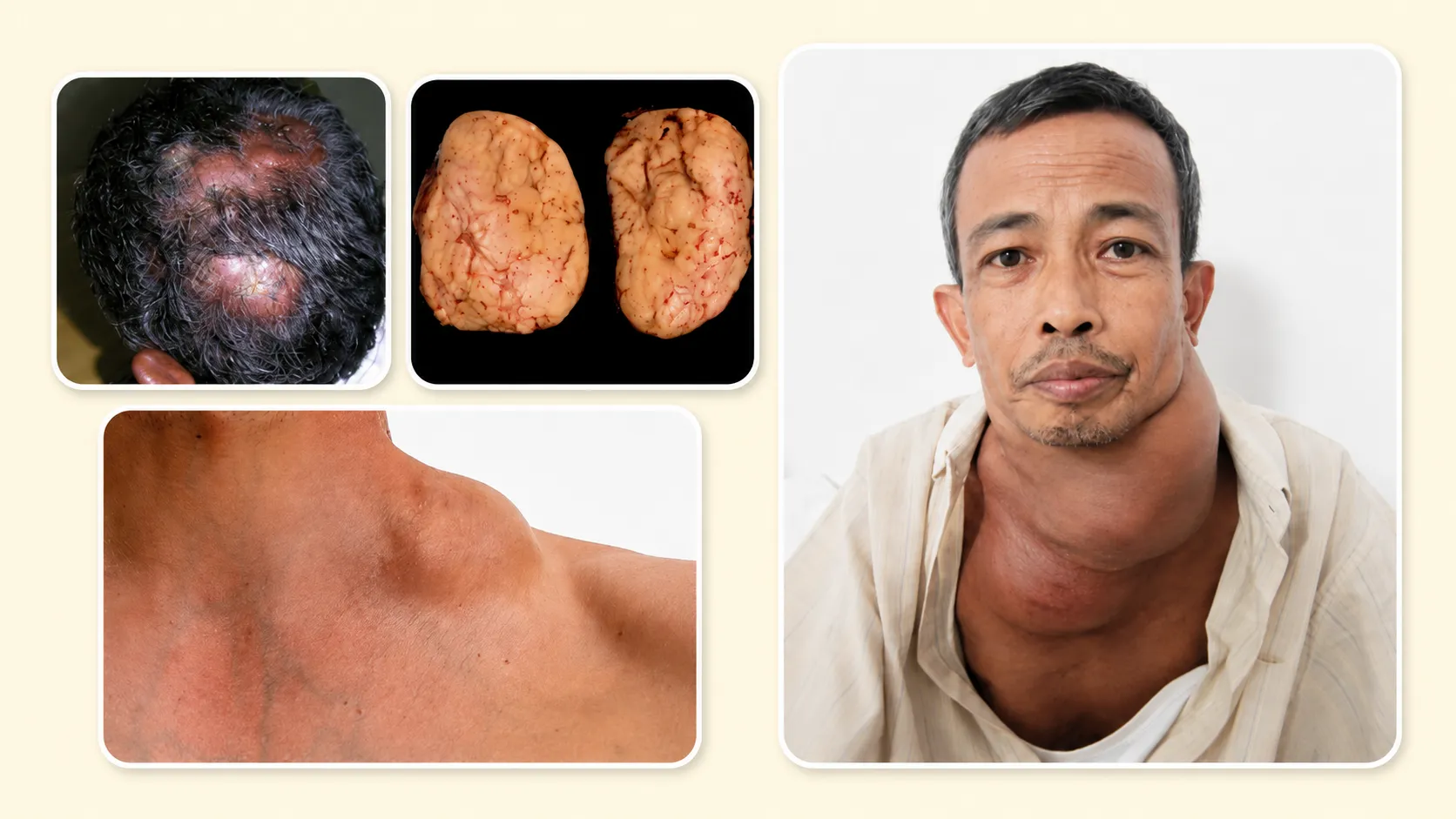
Introduction
Among the many forms of cancer, lymphoma is a type that affects the body’s lymphatic system, an essential component of the immune system. One of the most well-known forms of lymphoma is Hodgkin’s lymphoma (HL), a blood cancer that originates primarily from B lymphocytes and is characterized by the presence of Reed-Sternberg cells [1,2].
Although Hodgkin’s lymphoma is relatively uncommon, it is considered one of the most treatable cancers in modern oncology. Significant advancements in diagnosis, staging, and targeted therapies have led to excellent survival outcomes, with many patients achieving long-term remission and cure [1].
What is Hodgkin's Lymphoma?

Hodgkin’s lymphoma is a cancer of the lymphatic system, which includes lymph nodes, the spleen, bone marrow, and other immune tissues. The disease is broadly divided into two categories:
- Classical Hodgkin’s Lymphoma (cHL): Accounts for approximately 95% of all cases.
- Nodular Lymphocyte-Predominant Hodgkin’s Lymphoma (NLPHL): A less common subtype that generally follows a slower clinical course [2,3].
The disease can occur at any age but is most frequently diagnosed in young adults and individuals above the age of 55 years [1,2].
Causes of Hodgkin Lymphoma Cancer
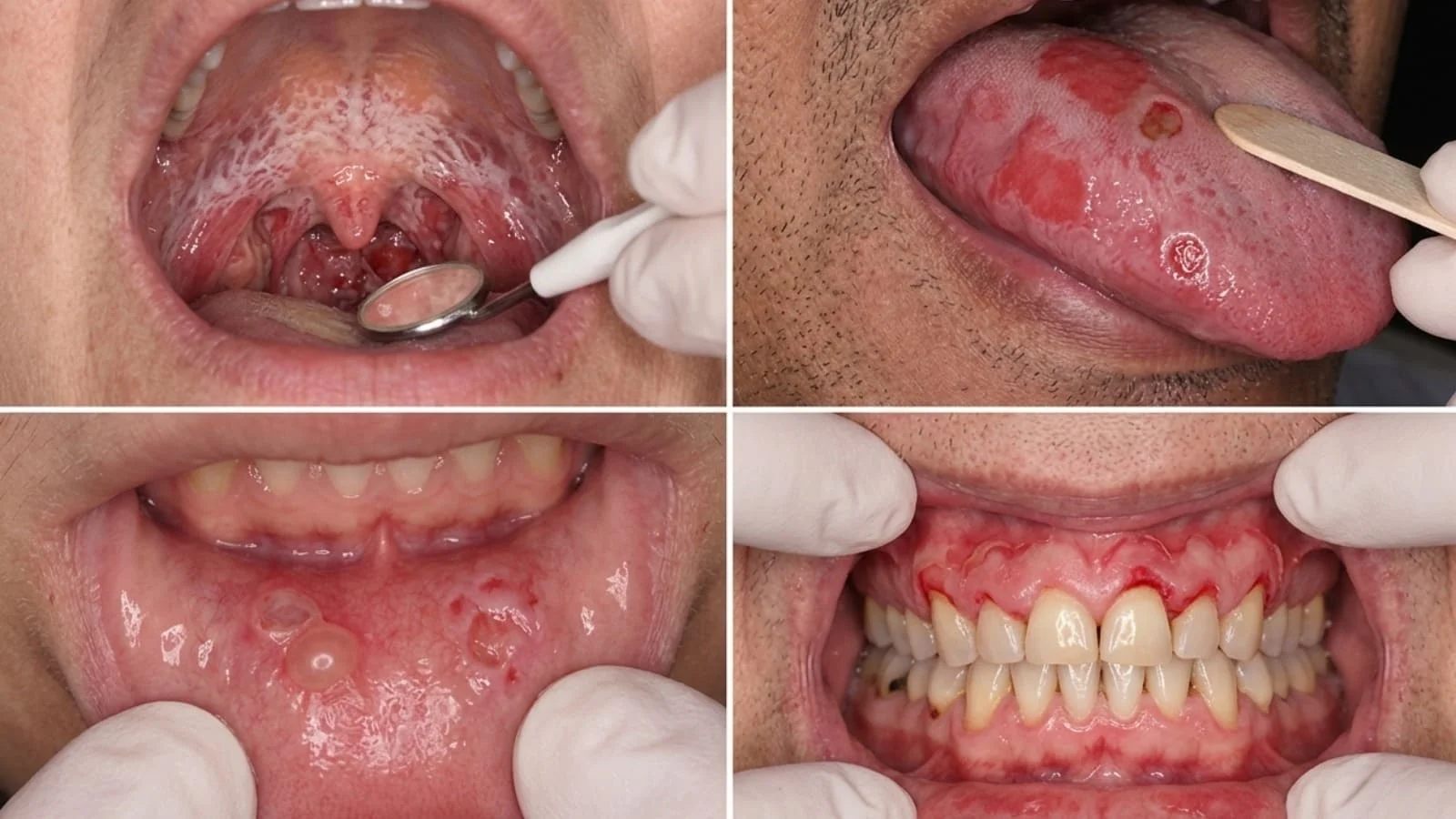
The exact causes of Hodgkin lymphoma cancer are not completely understood. However, researchers have identified several factors that may increase the likelihood of developing the disease.
01
Epstein-Barr Virus (EBV) Infection
Studies have shown an association between Hodgkin's lymphoma and prior infection with the Epstein-Barr virus, a common virus that can infect B lymphocytes [1,2].
02
Weakened Immune System
Individuals with conditions that affect the immune system, including HIV infection or those receiving long-term immunosuppressive treatment, may have a higher risk of developing Hodgkin's lymphoma [1,3].
03
Family History
A family history of Hodgkin's lymphoma may increase the risk of developing the disease, suggesting that genetic and environmental factors may both play a role [2].
It is important to note that having one or more of these risk factors does not necessarily mean a person will develop Hodgkin’s lymphoma.
Common Symptoms of Hodgkin's Lymphoma
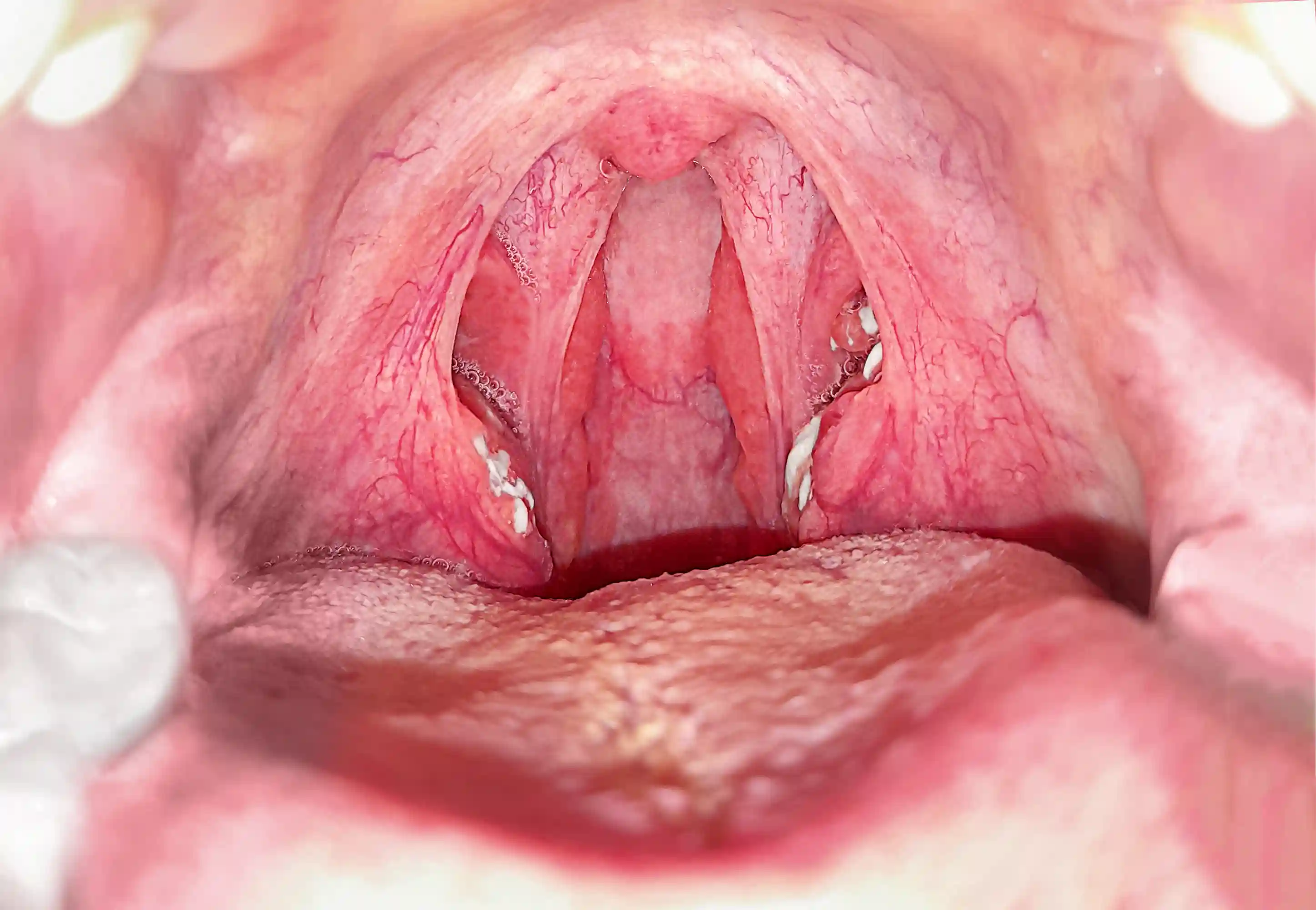
The symptoms of Hodgkin’s lymphoma can vary from person to person. Common signs and symptoms include:
- Painless swelling of lymph nodes in the neck, underarms, or groin
- Persistent fever
- Night sweats
- Unexplained weight loss
- Fatigue and weakness
- Persistent itching
- Chest discomfort or shortness of breath if lymph nodes in the chest are enlarged [1,2,3].
Many of these symptoms may also occur in other medical conditions, which is why proper medical evaluation and diagnosis are important.
Understanding Hodgkin's Lymphoma Cancer Stages
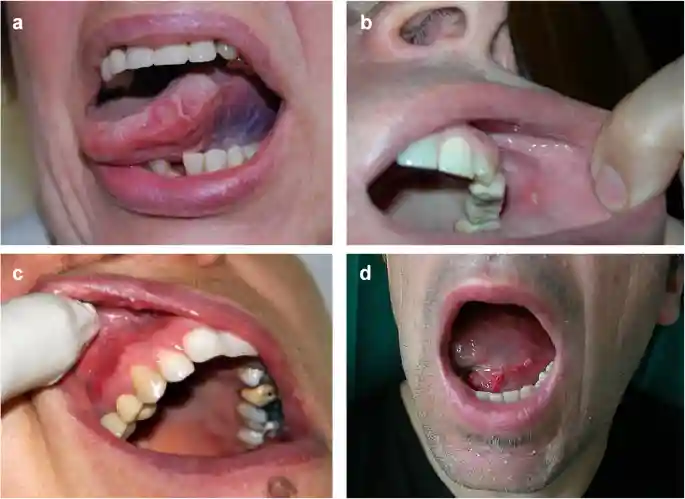
Determining how far the disease has spread is known as staging. It is an important step in oncology because it helps guide treatment decisions and predict outcomes.[1]
Stage I
Cancer is found in one lymph node region or one lymphatic organ.
Stage II
Cancer involves two or more lymph node regions on the same side of the diaphragm.
Stage III
Cancer is present in lymph nodes on both sides of the diaphragm.
Stage IV
Cancer has spread beyond the lymphatic system to organs such as the liver, lungs, or bone marrow.[2]
In general: Stages I and II are considered
early-stage disease, while Stages III and IV are classified as
advanced disease.
Diagnosis and Treatment Advances in Oncology
The diagnosis of Hodgkin’s lymphoma typically involves a lymph node biopsy, imaging studies such as PET-CT scans, and laboratory investigations [1,2].
Treatment approaches may include:
- Chemotherapy
- Radiation therapy
- Targeted therapies
- Immunotherapy for selected patients [1,2].
Advances in oncology have significantly improved treatment outcomes, and many individuals with Hodgkin’s lymphoma can now achieve long-term survival and excellent quality of life.
Outlook for Patients with Hodgkin’s Lymphoma
Hodgkin’s lymphoma is considered one of the success stories in cancer treatment. Early diagnosis, appropriate staging, and access to modern therapies have resulted in high cure rates and improved patient outcomes [1].
As research continues, newer treatment strategies and personalized approaches are expected to further enhance the care of people living with Hodgkin’s lymphoma.
References
- Ansell SM. Hodgkin lymphoma: 2025 update on diagnosis, risk-stratification, and management. Am J Hematol. 2024;99(12):2367-2378.
- Munir F, Hardit V, Sheikh IN, AlQahtani S, He J, Cuglievan B, et al. Classical Hodgkin Lymphoma: From Past to Future—A Comprehensive Review of Pathophysiology and Therapeutic Advances. Int J Mol Sci. 2023;24(12):10095.
- Tanwar P, Naagar M, Maity MK. A review on Hodgkin lymphoma: Etiology, epidemiology, pathophysiology, differential diagnosis, management strategies and treatment modalities. Int J Pharm Res Dev. 2024;6(2):35-38.